Loading species…
Where it's been seen
Hotspots with reports in the last 30 days.
Loading recent sightings…
Loading ID help…
Loading this year…
Loading history…
 Travis County Birding
Search species and hotspots
Loading species…
Hotspots with reports in the last 30 days.
Loading recent sightings…
Loading ID help…
Loading this year…
Loading history…
Not reported in Travis County in the last 30 days
Migrant · usually Mar–May and Jun–Jul
| Week | Checklists reporting it |
|---|---|
| Jan 1–7 | 0% |
| Jan 8–14 | 0% |
| Jan 15–21 | 0% |
| Jan 22–end | 0% |
| Feb 1–7 | 0% |
| Feb 8–14 | 0% |
| Feb 15–21 | 0% |
| Feb 22–end | 0% |
| Mar 1–7 | 0% |
| Mar 8–14 | 0% |
| Mar 15–21 | 0% |
| Mar 22–end | <0.1% |
| Apr 1–7 | 0.5% |
| Apr 8–14 | 0.4% |
| Apr 15–21 | 0.1% |
| Apr 22–end | 0.2% |
| May 1–7 | 0.2% |
| May 8–14 | <0.1% |
| May 15–21 | <0.1% |
| May 22–end | <0.1% |
| Jun 1–7 | <0.1% |
| Jun 8–14 | 0.1% |
| Jun 15–21 | <0.1% |
| Jun 22–end | 0.3% |
| Jul 1–7 | 2% |
| Jul 8–14 | 2% |
| Jul 15–21 | <0.1% |
| Jul 22–end | 0% |
| Aug 1–7 | 0% |
| Aug 8–14 | 0% |
| Aug 15–21 | 0% |
| Aug 22–end | 0% |
| Sep 1–7 | 0% |
| Sep 8–14 | 0% |
| Sep 15–21 | 0% |
| Sep 22–end | 0% |
| Oct 1–7 | 0% |
| Oct 8–14 | 0% |
| Oct 15–21 | 0% |
| Oct 22–end (now) | 0% |
| Nov 1–7 | 0% |
| Nov 8–14 | 0% |
| Nov 15–21 | 0% |
| Nov 22–end | 0% |
| Dec 1–7 | 0% |
| Dec 8–14 | 0% |
| Dec 15–21 | 0% |
| Dec 22–end | 0% |
Share of complete checklists at each hotspot that reported it (2016–2026). Hotspots with fewer than 15 checklists are left out, and the order discounts small samples, so a hotspot with few checklists can sit below one with a lower share.
From the eBird Basic Dataset (Sep-2026), complete checklists only.
Waterfowl and waterbirdsBoobies and Gannets
Sula leucogaster
RareRare in Travis County and Texas


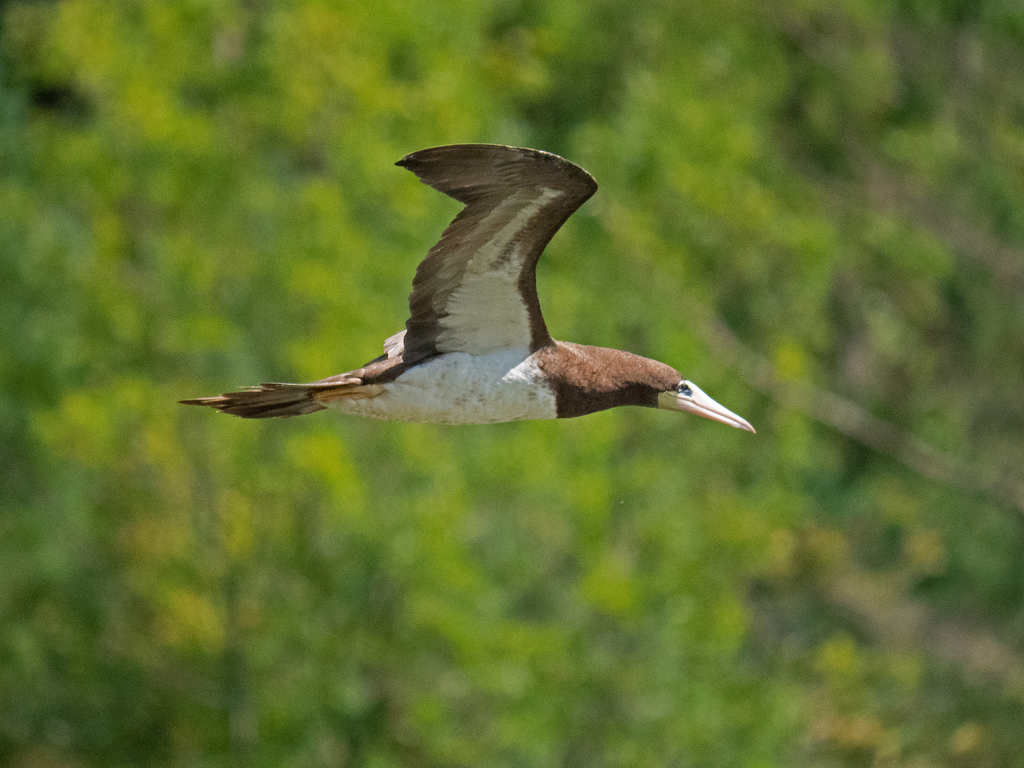
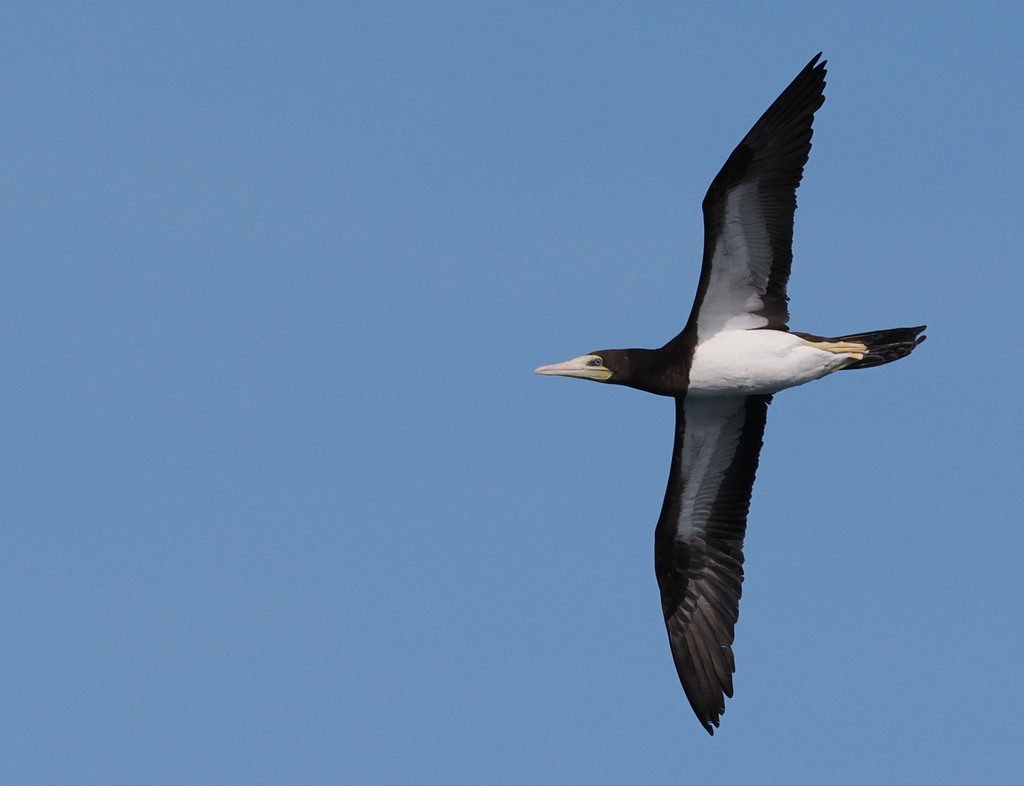
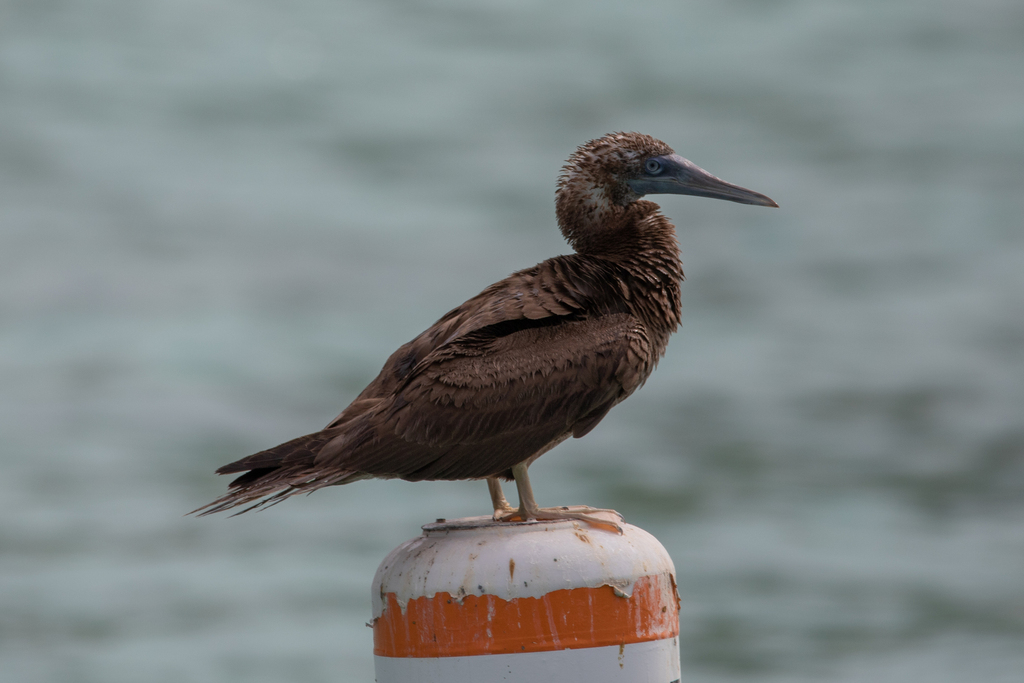
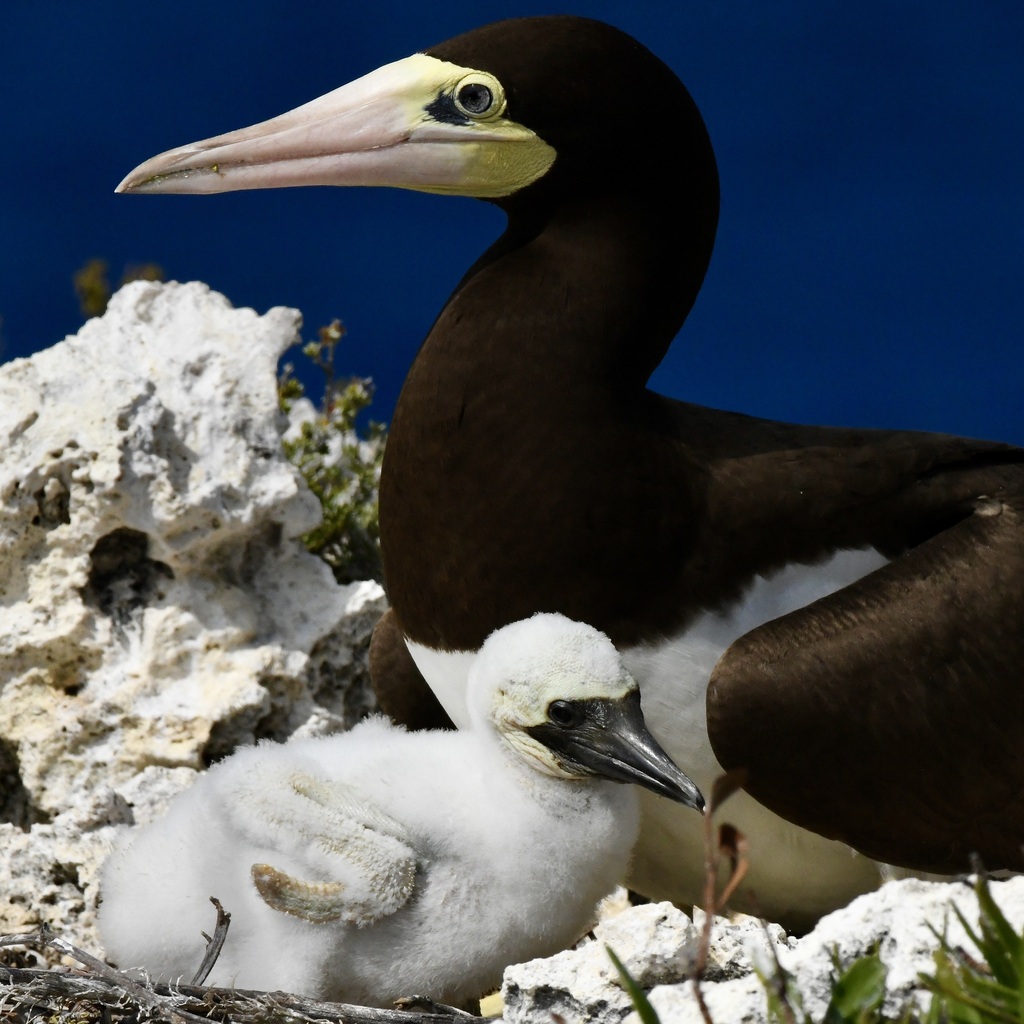
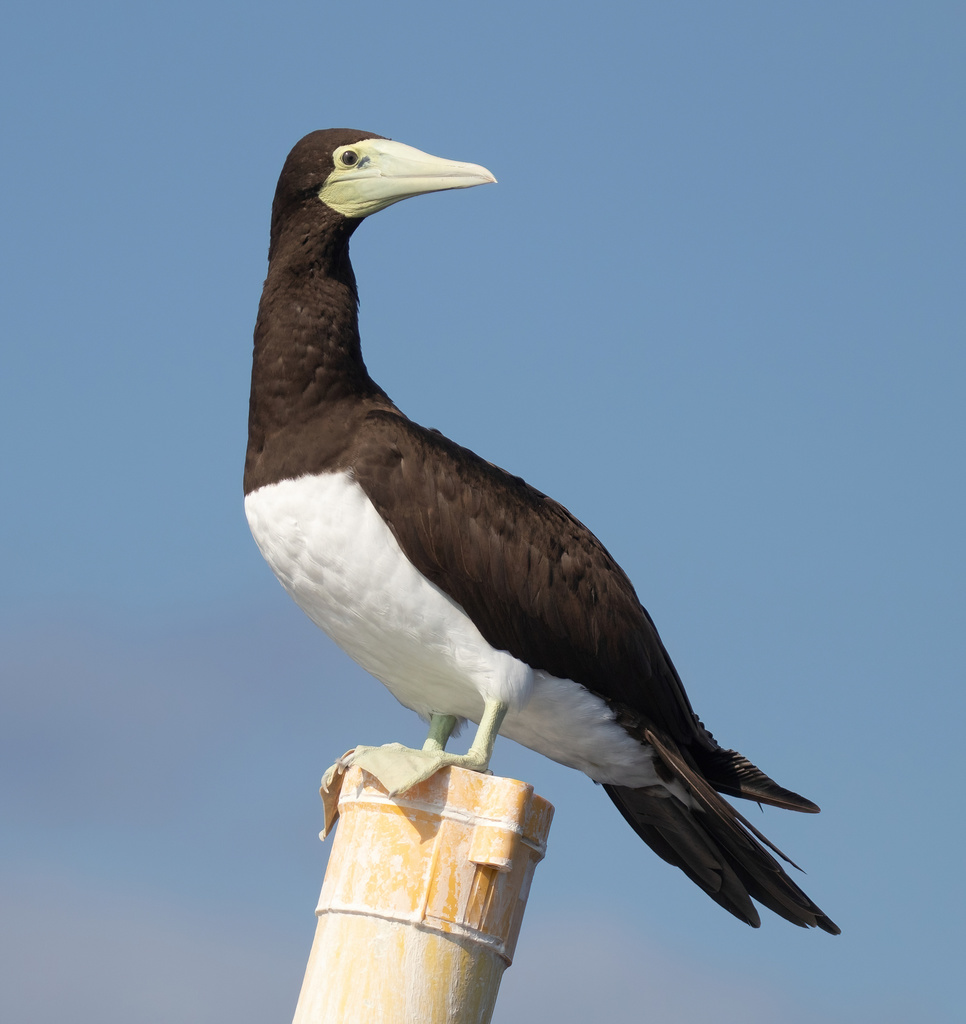
The brown booby is a large seabird in the booby and gannet family Sulidae, of which it is one of the most common and widespread species. It has a pantropical range, which overlaps with that of other booby species. The gregarious brown booby commutes and forages at low height over inshore waters. Flocks plunge-dive to take small fish, especially when these are driven near the surface by their predators. They nest only on the ground, and roost on solid objects rather than the water surface.
Read more on WikipediaCall · Saudi Arabia
David Darrell-Lambert · xeno-canto XC739064 · CC BY-NC-SA 4.0
Call · Saudi Arabia
David Darrell-Lambert · xeno-canto XC739063 · CC BY-NC-SA 4.0
Call · Mexico
Manuel Grosselet · xeno-canto XC335793 · CC BY-NC-SA 4.0
Call · Mexico
Manuel Grosselet · xeno-canto XC335792 · CC BY-NC-SA 4.0
From every checklist reported in the county this year: who found it first, who finds it most, and when.
First to last report each year. Usually first reported around Jun 26 and last around Jul 10. This year's latest report so far is 72 days earlier than usual.
Gold: 2026, from the site's checklists; earlier years from the eBird Basic Dataset. Dashed lines: the usual first and last dates.