Loading species…
Where it's been seen
Hotspots with reports in the last 30 days.
Loading recent sightings…
Loading history…
 Travis County Birding
Search species and hotspots
Loading species…
Hotspots with reports in the last 30 days.
Loading recent sightings…
Loading history…
Loading map…
Also reported at 1 private location (not shown).
Updated 1:26 PMRare or irregular
| Week | Checklists reporting it |
|---|---|
| Jan 1–7 | 0% |
| Jan 8–14 | 0% |
| Jan 15–21 | 0% |
| Jan 22–end | 0% |
| Feb 1–7 | <0.1% |
| Feb 8–14 | <0.1% |
| Feb 15–21 | <0.1% |
| Feb 22–end | 0% |
| Mar 1–7 | <0.1% |
| Mar 8–14 | 0.3% |
| Mar 15–21 | 0.3% |
| Mar 22–end | 0.4% |
| Apr 1–7 | 0.3% |
| Apr 8–14 | 0.3% |
| Apr 15–21 | 0.1% |
| Apr 22–end | 0.1% |
| May 1–7 | 0.1% |
| May 8–14 | 0.1% |
| May 15–21 | <0.1% |
| May 22–end | <0.1% |
| Jun 1–7 | <0.1% |
| Jun 8–14 | <0.1% |
| Jun 15–21 | 0% |
| Jun 22–end | <0.1% |
| Jul 1–7 | 0% |
| Jul 8–14 | 0% |
| Jul 15–21 | <0.1% |
| Jul 22–end | 0.1% |
| Aug 1–7 | <0.1% |
| Aug 8–14 | <0.1% |
| Aug 15–21 | <0.1% |
| Aug 22–end | <0.1% |
| Sep 1–7 | <0.1% |
| Sep 8–14 | 0.2% |
| Sep 15–21 | <0.1% |
| Sep 22–end | 0.1% |
| Oct 1–7 | 0.2% |
| Oct 8–14 | 0.2% |
| Oct 15–21 | 0.1% |
| Oct 22–end (now) | <0.1% |
| Nov 1–7 | <0.1% |
| Nov 8–14 | 0% |
| Nov 15–21 | 0% |
| Nov 22–end | 0% |
| Dec 1–7 | 0% |
| Dec 8–14 | <0.1% |
| Dec 15–21 | 0% |
| Dec 22–end | 0% |
Share of complete checklists at each hotspot that reported it (2016–2026). Hotspots with fewer than 15 checklists are left out, and the order discounts small samples, so a hotspot with few checklists can sit below one with a lower share.
From the eBird Basic Dataset (Sep-2026), complete checklists only.
Gamebirds to woodpeckersNightjars and Allies
Phalaenoptilus nuttallii

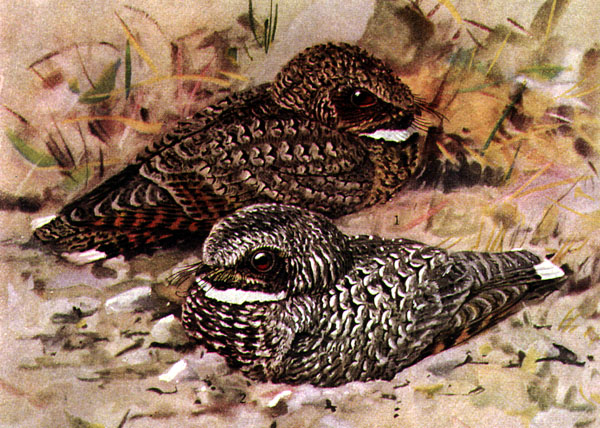
The common poorwill is a nocturnal bird of the family Caprimulgidae, the nightjars. It is found from British Columbia and southeastern Alberta, through the western United States to northern Mexico. The bird's habitat is dry, open areas with grasses or shrubs, and even stony desert slopes with very little vegetation.
Read more on Wikipedia